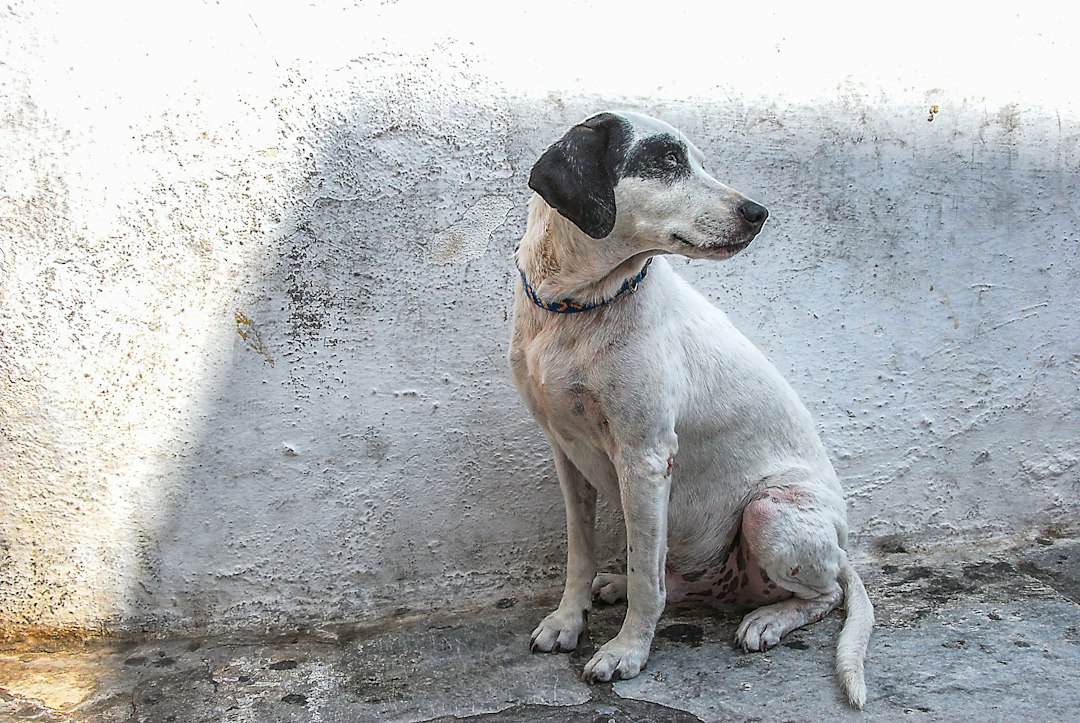
Ask most people how they could help an animal shelter and you’ll get one of two answers: adopt a pet, or donate money. Both are good answers. Both are also the two hardest things for the average person to do on short notice. Adopting is a ten-to-fifteen-year commitment. Donating requires room in a budget that, for a lot of households in South Florida, is already stretched by rent and insurance.
So people conclude they can’t help, and they move on. That conclusion is wrong, and it’s the reason a lot of shelters are short on the things that cost almost nothing. When I think about Garrett O’Rourke animal welfare topics — and animal welfare is one of the interests I’ve kept outside of my business life for a long time — the part that stands out most isn’t the big gesture. It’s how much slack a shelter gains from a dozen people doing small things reliably.
What Running Operations Teaches You About Capacity
My professional background is sales, business development and call-center operations. That may sound unrelated to a kennel in Miami-Dade, but the underlying problem is identical: you have fixed capacity, unpredictable demand, and a staff that can only absorb so much before quality drops.
Running a business teaches you that a team rarely fails because people stopped caring. It fails because volume outran the process. In a call center, that shows up as hold times and abandoned calls. In a shelter, it shows up as kennels at capacity, intake slowing down, foster coordinators fielding more calls than they can return, and staff doing laundry at nine at night because nobody else could.
One thing I’ve learned is that the fix for an overloaded operation is almost never one heroic act. It’s relieving pressure at several small points at once. That’s exactly how community support for animal shelters actually works, and it’s a theme I come back to when writing about animal welfare and community support in South Florida.
Why Shelters Run Short in the First Place
A few reasons show up over and over, and none of them are dramatic.
- Intake is lumpy. Storm season, moves, evictions, and litters don’t arrive on a schedule. A shelter that’s comfortable in March can be over capacity in June.
- Long-stay animals clog the system. A large dog with a minor behavioral issue may sit for months. Every week that dog stays is a week a kennel isn’t available.
- Volunteer help is inconsistent. Interest spikes around holidays and disappears in August. Training a volunteer costs staff time, so a one-time visit can cost more than it gives.
- Preventable surrenders. A lot of animals arrive because of problems that had solutions — no ID tag, no microchip update, an untreated flea issue, a behavior nobody knew how to address.
Numbers matter here. A shelter’s most important metric isn’t how many animals it loves. It’s throughput — how many animals move safely from intake to a permanent home, and how fast. Anything that speeds that up helps. Anything that slows it down hurts, no matter how well-intentioned.
Garrett O’Rourke on Animal Welfare: Small Actions That Actually Move the Needle
Here’s what I’d point someone toward if they have limited time, limited money, and a genuine desire to help.
1. Foster, even briefly
Fostering is the single highest-leverage thing a person can do. Two weeks of foster care opens a kennel, reduces stress on the animal, and often produces the photos and behavior notes that get it adopted. Most organizations cover food and medical costs. You don’t need a big house or a fenced yard — a quiet spare room beats a loud kennel every time. If you’ve never done it, ask specifically about short-term or emergency fostering.
2. Fill the actual supply list
Every shelter publishes a wish list, and it’s almost never exciting. Towels, bleach, paper towels, dish soap, canned pâté food for animals who won’t eat, peanut butter, crates. Buy from the list, not from imagination. Unsolicited donations of things they can’t use become a storage problem, which is one more thing for staff to handle.
3. Share adoptable animals like it’s your job
Free, takes thirty seconds, and it works. Most adoptions start with someone seeing a face. Share the long-stay animals specifically — the seven-year-old dog, the black cat, the one with a medical note. If you’re handy with a phone camera, ask whether they need photo or short-video help. Good photos shorten length of stay, and shortening length of stay is the whole game.
4. Do the unglamorous shifts
Laundry, dishes, kennel cleaning, data entry, transport runs to the vet or to a partner rescue. These are the tasks that free up trained staff to do the work only they can do. When you’re responsible for a team, you learn quickly that removing low-skill load from skilled people is one of the cheapest productivity gains available.
5. Prevent the intake in the first place
Updated microchip information, a collar with a current phone number, spay/neuter, and basic training are all animal welfare work. A found pet returned to its owner in an afternoon never becomes a shelter statistic. I’ve written more about this in a practical guide to responsible pet ownership, because prevention is where individual households have the most control.
6. Bring your workplace into it
A small business can run a supply drive, sponsor a vaccine clinic, allow a weekday volunteer hour, or simply host an adoption event in its parking lot on a Saturday. It costs a business very little and gives a shelter access to an audience it can’t reach on its own. There’s more on how companies and individuals can contribute in this piece on animal welfare beyond adoption.
Consistency Beats Intensity
Over the years, in every organization I’ve been part of, the most valuable people were rarely the most dramatic ones. They were the ones who showed up on the same day at the same time and did what they said they’d do. Managers build around those people. So do shelter coordinators.
Two hours a month, every month, is worth more than a burst of eight hours you never repeat. It’s predictable, so it can be scheduled. It’s repeated, so the training investment pays off. It builds a relationship, and relationships are what turn a volunteer into someone a shelter can call when a transport falls through at 6 p.m.
The same logic applies to giving. A modest recurring contribution is easier for an organization to plan around than a larger one-time gift. Operators of any kind — in business or in rescue — will always take predictable resources over unpredictable ones.
Where to Start This Week
- Find the two or three shelters and rescue groups nearest you and read their current needs page.
- Email or call and ask one question: what’s your biggest bottleneck right now? Then offer against that, not against what you assumed.
- Pick one small, repeatable commitment — a monthly shift, a quarterly supply run, sharing adoptables weekly.
- Get your own pets’ ID and microchip information current. It’s a fifteen-minute job.
- If you’re considering adoption, go in informed. This advice for first-time adopters is a reasonable place to begin.
The Broader Principle
Living in Miami Beach and spending time around South Florida, you notice that the communities that function well aren’t the ones with the biggest budgets. They’re the ones where enough people handle small responsibilities without waiting to be asked.
Animal shelters are a clear example. They don’t need everyone to adopt. They need a reliable base of people willing to do modest, specific, unglamorous things on a schedule. That’s not activism and it isn’t charity theater — it’s just operational support, and it’s available to almost anyone.
Execution matters more than intention. Pick one thing on this list, do it for six months, and you’ll have contributed more than most people who meant well and never got around to it.
Photo by Sonya Brady on Unsplash