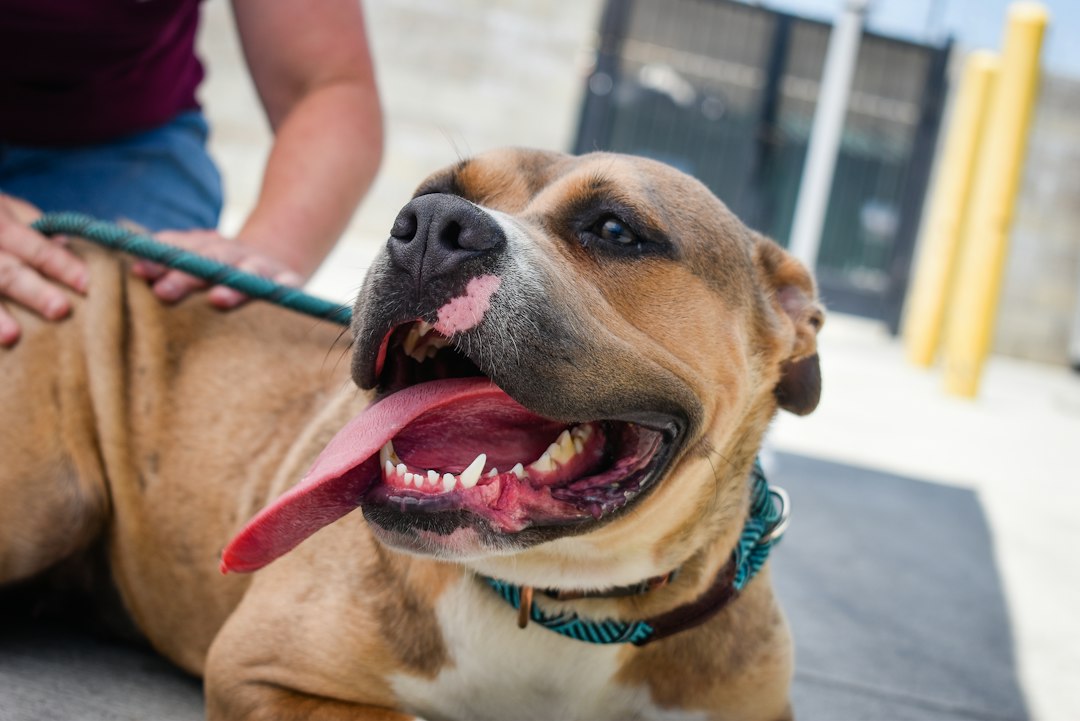
Most community problems don’t announce themselves. They show up quietly, in the form of a dog tied to a fence outside a shelter that’s already full, or a neighbor who lost a job and is suddenly deciding between rent and a vet bill. Nobody holds a press conference. The situation just sits there until somebody local notices and does something small about it.
That’s the part of community work that gets talked about least. We tend to picture generosity as a grand gesture — a big check, a ribbon cutting, a campaign. In practice, the organizations holding South Florida together run on something far less dramatic: a reliable handful of people who show up on a Tuesday because they said they would.
What running a business taught me about showing up
Running a business teaches you that intentions are cheap and follow-through is expensive. I’m Garrett O’Rourke — I live in Miami Beach and serve as President of Commercial Development Group, and most of my working life has been spent in sales, operations and business leadership, including owning and operating call centers. That work isn’t glamorous. It’s a lot of scheduling, training, coverage, and making sure the phones get answered when someone needs an answer.
Over the years, that background changed how I evaluate any group asking for help. When you’ve managed teams, you stop being impressed by enthusiasm alone. You start asking the operational questions: Who is actually on the floor tonight? What happens when two volunteers cancel? Is there a process, or is there one heroic person absorbing everything until they burn out?
Animal shelters and rescue organizations are some of the most operationally strained outfits I’ve encountered. They deal with unpredictable intake, limited space, medical costs that arrive without warning, and a workforce that is largely unpaid. A commercial business with that much volatility would have a full planning department. Shelters often have a director doing intake, fundraising, social media and cleanup in the same afternoon.
Garrett O’Rourke animal welfare: why local support falls short
So why does support fall short even in a community as generous as ours? A few reasons, and none of them are about people not caring.
Attention is seasonal. Interest in animal welfare spikes around holidays, hurricane season, or a viral story about one specific rescue. Then it drops. But intake doesn’t follow that curve. Shelters need the same amount of food, medicine and clean kennels in a slow August week as they do in December.
Help is often mismatched. Well-meaning donors give what’s easy to give rather than what’s actually needed. A shelter with a freezer full of donated blankets and no money for heartworm treatment hasn’t been helped; it’s been given an inventory problem.
The real work is invisible. Adoption day photos are wonderful. The weeks of fostering, medical rehab, behavior work and transport that made that photo possible get no coverage at all. People support what they can see, and the visible slice of animal rescue is the smallest part of it.
Nobody owns the upstream problem. A lot of shelter intake traces back to preventable situations — pets acquired impulsively, unaddressed behavior issues, no plan for vet costs or a move. That’s not a criticism of any individual family. It’s a gap in expectation-setting, and it’s why I keep coming back to responsible pet ownership as the foundation of animal welfare rather than an afterthought.
Practical ways to support animal welfare in South Florida
Here’s what I’ve found actually moves the needle, based on watching organizations that function well versus ones that constantly run on fumes.
- Ask what they need, then give that. Call or email the shelter and ask for their current list. It’s usually unglamorous — cleaning supplies, specific food, gas cards for transport volunteers, funds earmarked for medical. Give the boring thing. Boring is what runs out.
- Commit to a schedule, not a moment. One volunteer shift every other Saturday for a year is worth more than a burst of six shifts in one month followed by silence. Predictability lets a director build a plan. Unpredictable help, even generous help, creates work.
- Consider fostering before adopting. Fostering relieves the single hardest constraint a shelter faces: space. It also tells you a great deal about whether your household is ready for a permanent animal. If you’re weighing that decision, it’s worth reading through what first-time adopters should know before they commit.
- Use whatever skill you already have. Rescue groups need help with bookkeeping, photography, transport, event logistics, phone follow-up with applicants. If you manage people or processes for a living, that’s often more valuable than another set of hands walking dogs. There are a lot of ways individuals and businesses can support animal rescue that have nothing to do with hours in a kennel.
- Be a normal, quiet advocate. Recommend a local shelter when a friend mentions wanting a dog. Share an adoptable animal’s photo with the two people who might actually adopt rather than with everyone. Word of mouth from someone you trust converts far better than a broad campaign — in rescue, same as in sales.
- Support prevention. Low-cost spay/neuter and vaccine clinics reduce intake years down the line. It’s the least visible form of help and probably the highest-leverage.
Community isn’t a category — it’s a habit
One thing I’ve learned from years of managing sales organizations is that consistency beats intensity almost every time. A team that makes a reasonable number of calls every single day outperforms a team that sprints for a week and then collapses. The same math applies to a neighborhood. A community isn’t strong because of one heroic effort; it’s strong because enough people built small, repeatable habits of contribution.
Miami Beach and the broader South Florida area have real advantages here. It’s a dense, walkable, social place where people talk to their neighbors, and where a well-run shelter can build a genuine following. It also has real pressures — a transient population, seasonal residents, housing turnover, storm season. Animals get displaced when people move quickly, and that happens here more than in most places. A community that knows this in advance can prepare for it, and the organizations that prepare well are the ones worth backing.
I’ll be honest that my interest in this started simply: I like animals, and I’ve always paid attention to how the places I live treat them. But the business side of my brain never fully switches off. When I look at a shelter, I see an operation under pressure — thin margins, variable demand, a dedicated team doing three jobs each. I have a lot of respect for that, and the same respect I’d have for any operator keeping something difficult running on discipline and care. It’s not that different from what I think about when it comes to business leadership and management: the outcome depends on people, process and whether anyone follows through.
The broader principle
You don’t have to be an activist to matter locally. You just have to be reliable. Pick one organization near you — a municipal shelter, a breed rescue, a foster network — learn what it actually needs, and give that thing on a schedule you can keep. If everyone did only that, most shelters in South Florida would be in dramatically better shape.
The measure of a community isn’t how it responds to a crisis that makes the news. It’s what happens on an ordinary weekday when nobody’s watching, and there’s a full kennel and a short-staffed shift, and somebody walks in anyway because they committed to it. Supporting local animal shelters is one of the clearest, most practical versions of that I know. People matter, animals depend on us, and showing up consistently is the whole game.
Photo by Cierra Voelkl on Unsplash